Why 40 MM Feels Right
Case diameter is the most argued number in watches. Here is how proportion actually works: lug to lug, thickness, and the wrist underneath.
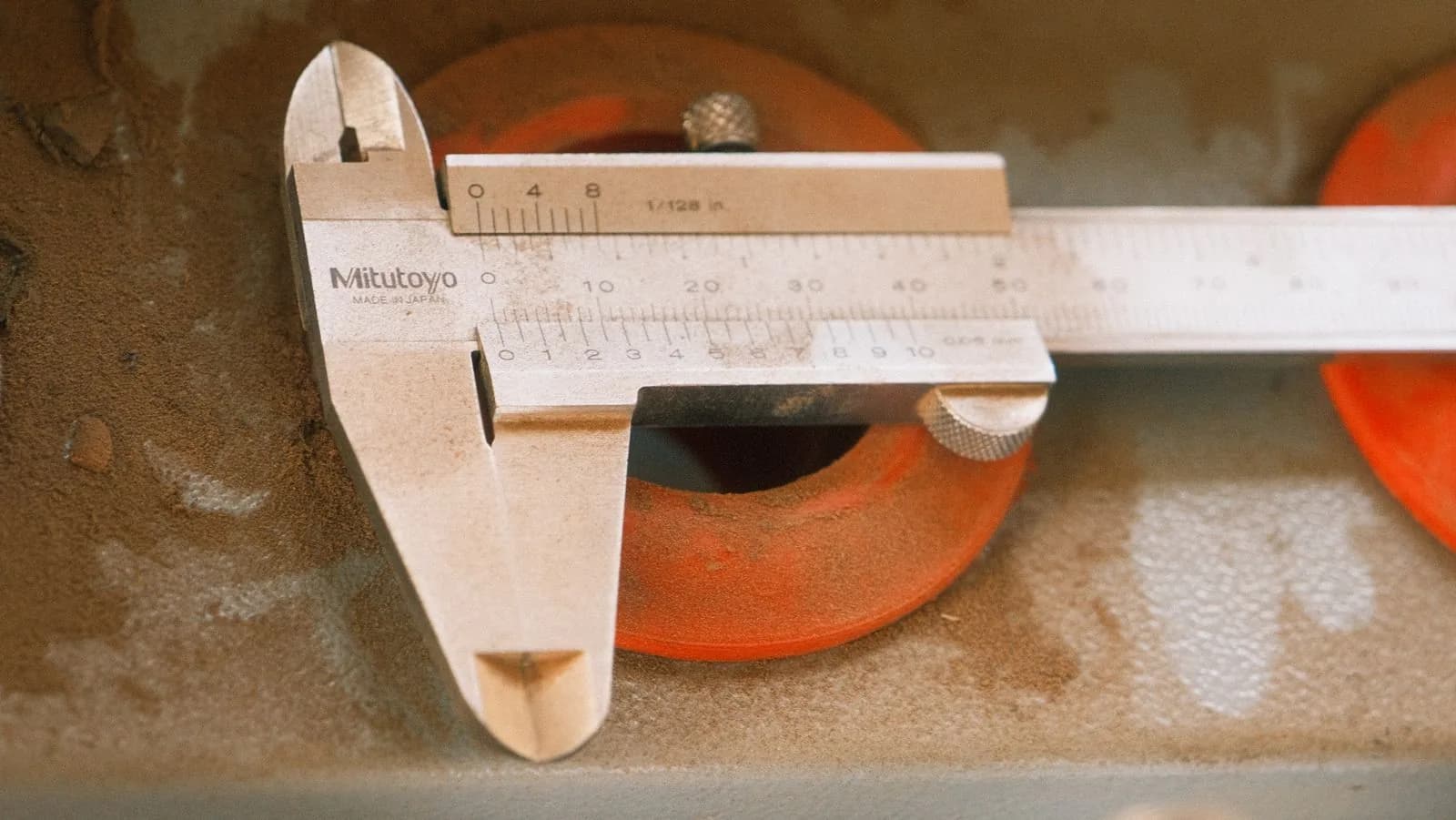
The number everyone quotes
Forty millimeters became the studio default because it fits the widest range of wrists without dominating any of them. But diameter alone says less than people think. Two 40mm watches can wear nothing alike.
What matters more is lug to lug distance, the span across the wrist. ARC measures 47mm lug to lug, which keeps the lugs on top of most wrists instead of hanging past them.
Diameter is a headline. Lug to lug is the story.
Thickness is the hidden variable
A thin watch slides under cuffs and sits flat. LINE is 7.2mm and disappears under a shirt. Anything past 12mm starts negotiating with your sleeve every morning.
Automatics need rotor clearance, so 10 to 11mm is straightforward engineering for the mechanical pieces. CALIBRE gets to 9.4mm because hand winding deletes the rotor.
Try the 39s
If 40mm feels like slightly too much watch, the answer is usually 39. MERIDIAN and DUSK both sit at 39mm with shorter lugs, which reads noticeably smaller without tipping into delicate.
Wrist size guides help, but the real test is a mirror at arm's length. If the watch is the first thing you see, size down. If the wrist is, you found it.